

This summer has tested every garden in Essex and Suffolk, ours included. More than one of us at Greengrass has joked that our own lawns and borders have gone from lush green to properly crispy, the kind of crispy that would make a crisp manufacturer jealous. Five heatwaves and one of the driest Julys on record have made it clear that a summer hosepipe ban is fast becoming a fixture of the British calendar rather than a rare emergency. The sensible approach now is to plan a garden that can cope with one every year, rather than hope this year was a one off.
Just up the coast, the scale of the problem was thrown into sharp relief when a wildfire tore through Dunwich Heath in late July, one of the largest wildfires in Suffolk’s history, burning an estimated 104 hectares of heathland according to the National Trust’s own figures. Russell Clement, the National Trust’s general manager for the Suffolk coast, described the damage as heartbreaking, and the Trust has said the heather could take decades to recover. It is a stark example of what a drier, hotter climate now means for the landscapes on our doorstep, and a reminder that this region, already one of the driest in England, needs to start planning differently.
What the experts are already planting
For a proper steer on what to plant next, it is worth looking at what the professionals themselves are choosing. In July 2026, BBC Gardeners’ World presenters Arit Anderson, Jamie Butterworth and Frances Tophill, together with specialists including tree expert Tony Kirkham, turned their attention to exactly this question at the first ever RHS Sandringham Flower Show, staged in one of the driest counties in the country. Between them, a clear shortlist of plants emerged, and it is well worth adding several to a 2027 planting list.
Daisy-family plants such as heleniums, coreopsis, echinaceas and rudbeckias came out as reliable performers for colour even in a dry, restricted summer, alongside agapanthus, which loves heat and works well in containers that can be moved around a patio. Dahlias such as ‘Totally Tangerine’ were another favourite, flowering until the first frost and, in a warming climate, increasingly left in the ground over winter rather than lifted.
A planting combination of Salvia ‘Caradonna’, eryngiums and the grass Calamagrostis ‘Karl Foerster’ was singled out as a properly drought-resilient border, all strong individual performers in dry conditions that work even better together. Sanguisorba varieties, including ‘Joni’ and the dramatic ‘Lilac Squirrel’, were also popular choices for a sunny, well-drained spot.
Achilleas featured heavily too, prized for coping well with intense sun and for pulling in pollinators by the dozen. ‘Sunny Seduction’, a pale lemon variety for the front of a border, and ‘New Vintage Violet’, bred with sturdier stems that resist flopping in rain, are both easy, low-maintenance choices for a hot, dry summer.
Looking beyond this year’s borders, trees suited to a warming climate were on the list as well, with native and non-native species recommended side by side. Parrotia persica stood out for its autumn colour and tough good looks, alongside the heat-loving Koelreuteria paniculata and Magnolia grandiflora ‘Little Gem’ for smaller gardens. The timing advice echoes our own autumn and winter planting guidance: plant between September and December, while the soil is still warm, so roots can establish before next summer’s heat arrives.
Shade planting had its moment too, with a gold medal-winning display built entirely around moist shade, including Thalictrum ‘Splendide White’ paired with Hydrangea ‘Limelight’, and the variegated Fatsia japonica ‘Spider’s Web’. It is a useful reminder that adapting to a changing climate is not only about drought-tolerant planting in full sun. Using shade well matters just as much, and fits neatly with the wider point about softening a garden’s exposure to heat.
Water smarter, not harder
Water butts paired with drip-feed irrigation remain one of the simplest changes that make the biggest difference. Rainwater harvested over autumn and winter can be delivered slowly and directly to the plants that need it most, without anyone having to carry watering cans round the garden every evening. It is a way of using stored water responsibly, giving your most treasured plants what they need while keeping overall consumption down, whatever restrictions are in place by the time next summer arrives.
Don’t overlook water features
Ponds and other water features do more than look good. They store water, and if positioned close to the house, a breeze crossing the surface can bring a little welcome coolness and moisture into the air around it. It is a small addition, but every little helps when the summers are behaving like this one.
Get a plan in place for next year’s garden
None of this needs to happen overnight, but autumn is the moment to start, and it happens to be exactly the kind of work Greengrass is built for. We have the sourcing relationships to get hold of the right drought-tolerant and shade-loving varieties, the manpower to plan and install a scheme properly, and the diggers, scarifiers, aerators and ground clearance machinery to deal with whatever the existing garden needs cleared, renovated or reshaped before anything new goes in. Between the plants, the people and the kit, we have everything required to take a garden from crispy to genuinely climate ready. Talk to us now and we will plan it properly, then get the planting done at exactly the right time to give it the best start.
Tel. 01206 392813 / 01473 846164 or email us at: info@greengrassltd.com
We are a local, family-owned business. If you’d like to know which areas of Essex and Suffolk we cover for residential and commercial customers, click the button below for a full list of areas our team serve.
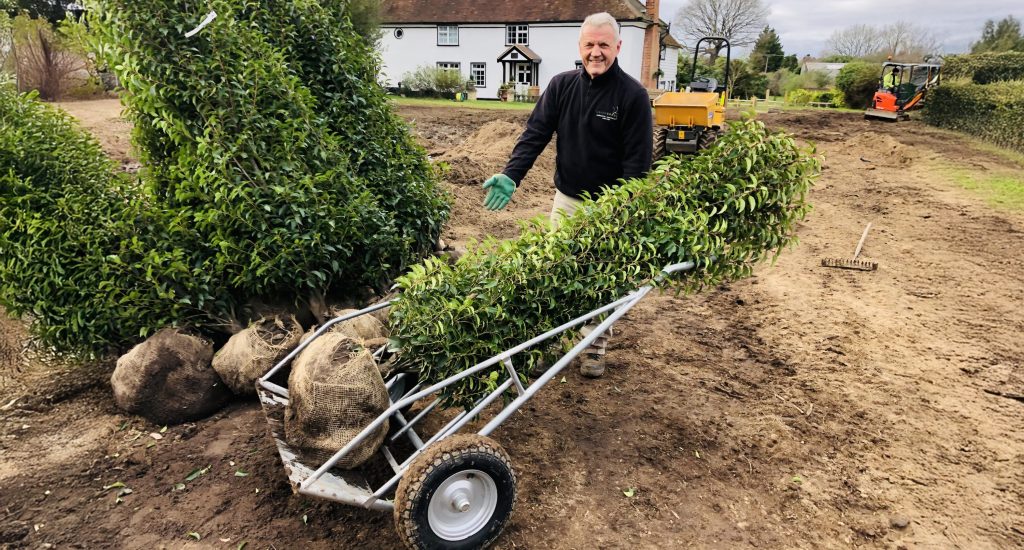
If your garden came through the summer with brown gaps in the hedge, or borders where plants simply gave up, you are far from…
Read More
First impressions happen fast. A prospect pulling into your car park, a customer arriving for a meeting, a new recruit turning up for interview:…
Read More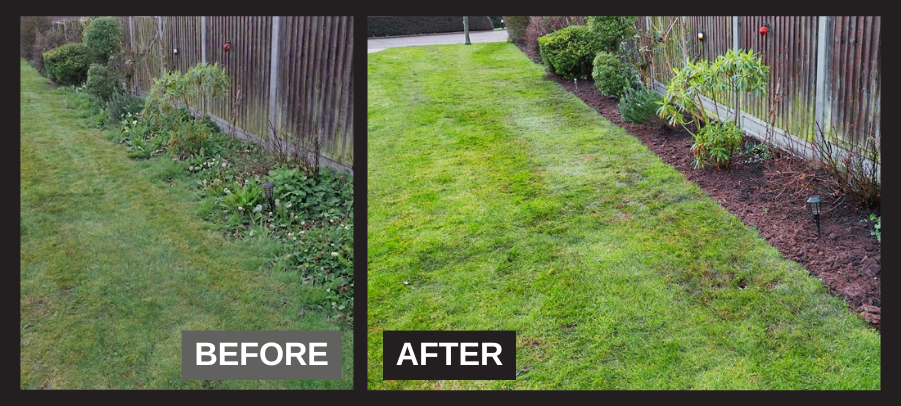
After a long winter, March marks the moment when soil temperatures begin to climb, growth stirs and outdoor spaces start to reveal the full…
Read More